
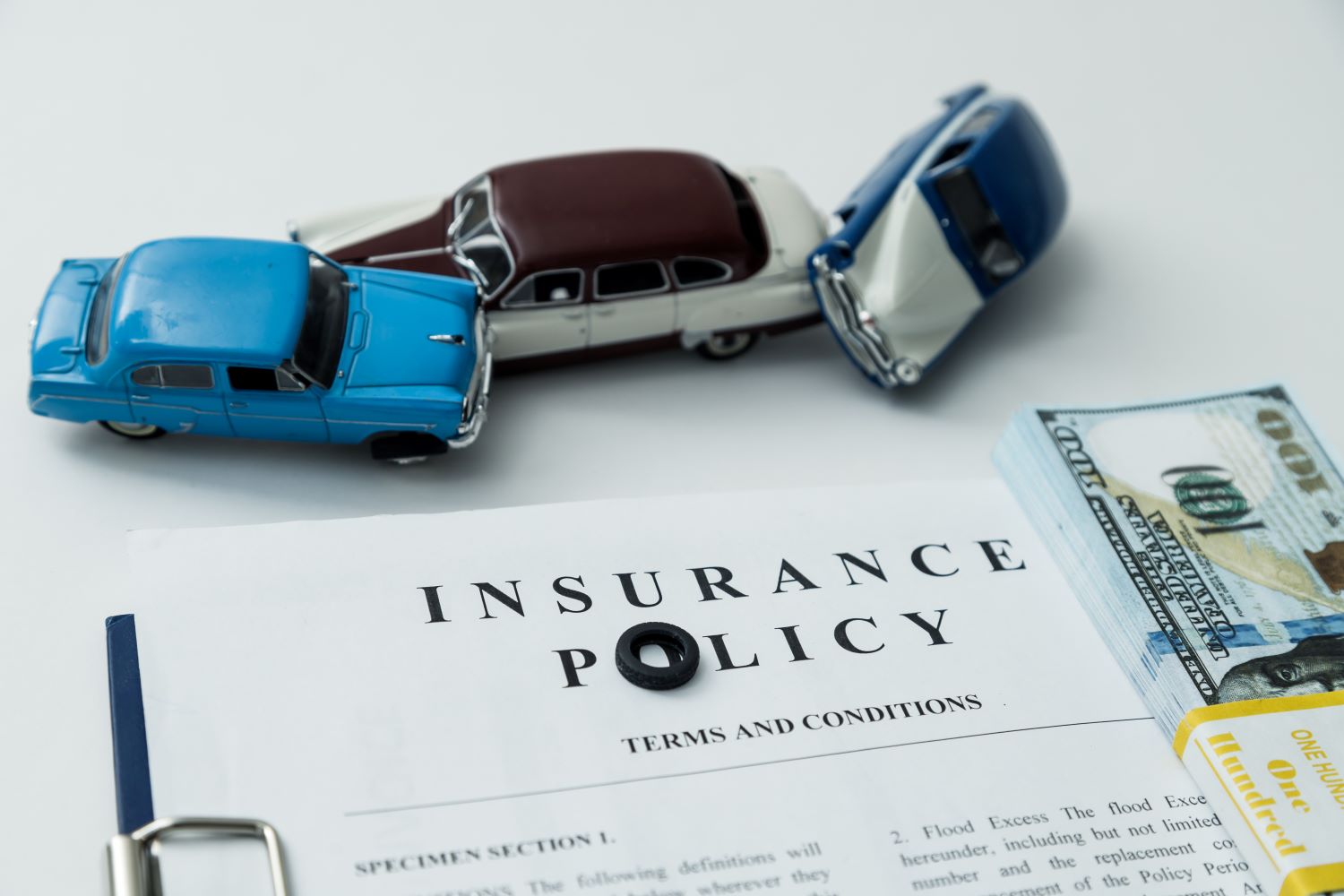
Navigating the realm of car insurance can be a complex endeavor; however, investing time in comparing prices is crucial for securing the best coverage at an appropriate cost. Engaging in thorough research is important, as several key factors can influence your premium. A systematic guide can assist in identifying the most advantageous options available. This discussion will provide practical tips for saving money and highlight common pitfalls to avoid. By equipping yourself with this knowledge, you can make informed insurance choices and optimize your savings.
The Importance of Comparing Car Insurance Prices
Comparing car insurance prices is essential for discerning consumers who seek to optimize their insurance expenditures while ensuring sufficient coverage.
Given the diversity of premium rates and the variety of coverage options available, dedicating time to evaluate different insurance quotes can result in substantial long-term savings.
This practice not only aids in identifying cost-effective insurance solutions but also enables policyholders to make informed choices tailored to their specific insurance requirements.
Furthermore, maximizing savings through meticulous comparison can uncover critical policy features that may otherwise be overlooked, thereby promoting financial stability and peace of mind.
Why You Should Shop Around for Car Insurance
Shopping for car insurance is a crucial step in securing the best coverage at the most competitive prices available in the market. By examining multiple insurance providers, consumers can obtain a range of insurance quotes that reflect various premium rates and coverage options, which may include discounts for safe driving, multi-car coverage, or bundling policies.
This process not only allows individuals to identify potential savings but also enables them to evaluate service quality through customer reviews and ratings. Insights from fellow consumers provide valuable information regarding the reliability and responsiveness of insurance companies, thus enhancing confidence in their decisions.
Various discounts can contribute to lower insurance premiums, enabling policyholders to save money while still benefiting from comprehensive coverage. These factors underscore the importance of dedicating time to assess different options, ensuring that individuals secure the most advantageous deal tailored to their specific needs.
Factors that Affect Car Insurance Prices
Car insurance prices are influenced by a multitude of factors that insurance providers evaluate when determining premium rates. These factors encompass individual risk profiles, which consider aspects such as age, driving history, geographical location, and financial stability.
Gaining an understanding of how these risk factors affect insurance quotes can enable consumers to make more informed decisions regarding their coverage options and deductible amounts.
What Determines Your Premium
The determination of an individual’s car insurance premium is influenced by a combination of various factors that reflect both personal risk and the selected coverage options. Insurance providers assess elements such as driving history, claims processing efficiency, and specific policy limits to calculate the rates presented in insurance proposals.
The type of coverage chosen significantly impacts premium costs. While liability coverage is often the minimum legal requirement, it exposes a driver to considerable financial risk in the event of serious accidents. Conversely, comprehensive and collision coverage offers additional layers of protection against theft, vandalism, and damages resulting from collisions; however, these options typically result in higher premiums.
It is essential to understand how these coverage options can be customized, as each driver possesses unique needs based on their lifestyle and vehicle usage. By comprehending their policy limits and the potential outcomes of claims, drivers can make informed decisions that strike a balance between cost and adequate protection, ultimately enhancing their financial security.
How to Compare Car Insurance Prices
An effective comparison of car insurance prices can be accomplished through a systematic approach that utilizes various resources and tools accessible to consumers.
By employing quote comparison tools and consulting with insurance brokers, individuals can streamline the process of obtaining insurance quotes from multiple providers. This approach enables them to identify the most cost-effective insurance options tailored to their specific needs.
Step-by-Step Guide to Finding the Best Deal
To secure the most advantageous deal on car insurance, it is essential to follow a structured approach that optimizes savings while ensuring comprehensive coverage. Begin by collecting multiple insurance quotes from various providers and compare them with your current policy to identify potential savings and available discounts.
Once you have gathered several quotes, it is important to conduct a thorough analysis of the coverage options each policy provides. Investigate different types of coverage, including liability, collision, and comprehensive, while paying close attention to the limits and exclusions associated with each policy.
Next, assess the deductible amounts; typically, a higher deductible correlates with lower premiums. However, it is crucial to consider how this may affect your financial situation in the event of a claim.
A comprehensive understanding of policy features is vital, as certain policies may automatically include benefits such as roadside assistance or rental car reimbursement. Additionally, inquire about applicable discounts, such as safe driver incentives, multi-policy discounts, or affiliations with specific organizations, as these may lead to substantial savings without compromising coverage quality.
Tips for Saving Money on Car Insurance
Reducing expenditures on car insurance is attainable through a range of practical strategies aimed at assisting consumers in lowering their premiums while maintaining the quality of coverage.
By investigating available discounts, modifying payment options, and actively managing policy features, policyholders can achieve a substantial decrease in their overall insurance costs.
Ways to Lower Your Premium
There are several effective strategies that individuals can utilize to lower their insurance premiums without sacrificing essential coverage. Conducting a thorough insurance audit is advisable to identify any coverage gaps and potential areas for discount eligibility.
Additionally, adjusting deductible amounts can help optimize overall costs.
A comprehensive review of policy features is crucial; ensuring that only necessary coverage is retained can lead to significant expense reductions. Understanding the influence of credit scores on premiums may uncover opportunities for improvement; maintaining a strong credit standing could qualify individuals for more favorable rates.
Furthermore, exploring telematics or usage-based insurance programs may yield substantial savings. These programs monitor driving habits and reward safe driving behaviors with reduced premiums.
By adopting a proactive approach and implementing strategic adjustments, individuals can effectively decrease their insurance costs and enhance their overall financial health.
Common Mistakes to Avoid When Comparing Car Insurance
When comparing car insurance, many consumers inadvertently encounter common pitfalls that may lead to insufficient coverage or elevated premiums.
To avoid these errors, it is essential to possess a comprehensive understanding of the insurance market. This entails considering all available coverage options and recognizing the significance of transparency in insurance practices.
Pitfalls to Watch Out For
Understanding the pitfalls associated with comparing car insurance is essential for safeguarding consumers from costly mistakes and subpar policies. It is important to be cautious of excessively low insurance quotes, as they may indicate insufficient coverage or hidden fees. Before committing to a policy, consumers should always assess customer satisfaction ratings and renewal rates.
To enhance consumer protection, recognizing the potential risks linked to inadequate research is crucial. Many individuals unwittingly fall victim to insurance fraud, engaging with untrustworthy providers who present offers that appear too good to be true.
Furthermore, neglecting to consider the claims process can lead to significant frustration when it comes time to file a claim. It is vital to understand the necessary steps and required documentation in advance. The jargon encountered in insurance documents can often be overwhelming, leading to misinterpretations that may adversely affect coverage or benefits.
By equipping themselves with knowledge and being attentive to these factors, consumers can make informed decisions that effectively protect their interests.