
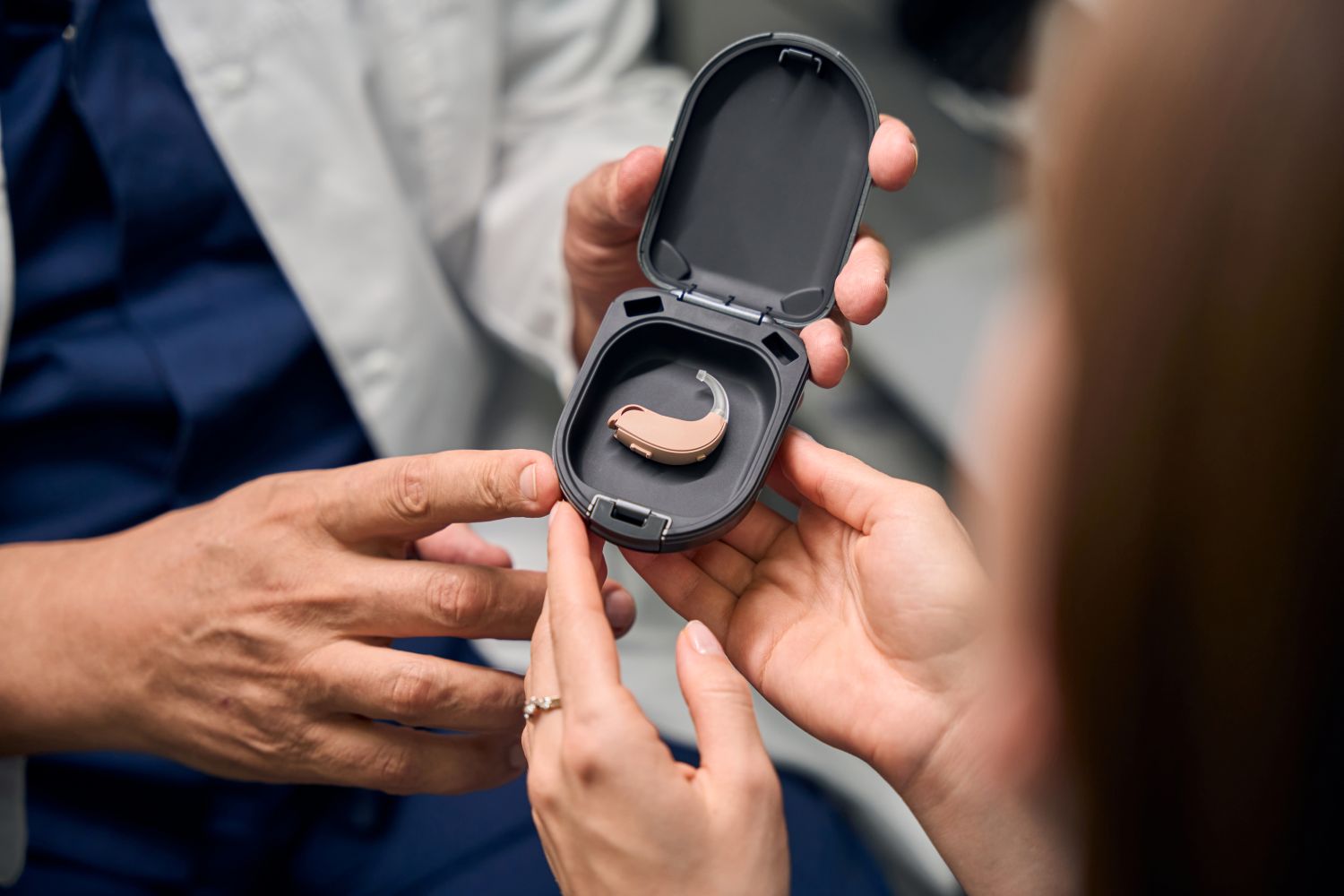
When addressing hearing loss, the role of hospitals in providing hearing aids is frequently overlooked. This article examines the history and evolution of hearing aid distribution, highlighting how hospitals have emerged as significant contributors in this domain. It outlines the advantages of obtaining hearing aids within hospital settings, such as convenience and quality care, while also addressing potential drawbacks, including cost and accessibility. Readers are encouraged to consider various factors when selecting a hearing aid provider and to explore alternative options that may be available. Whether one is seeking clarity in their hearing journey or evaluating different choices, this guide aims to assist in navigating the complex landscape of hearing aids.
The Role of Hospitals in Providing Hearing Aids
Hospitals hold a critical position in the distribution of hearing aids by facilitating the connection between patients experiencing hearing loss and healthcare professionals specializing in audiology.
These institutions provide essential clinical evaluations and fitting processes while offering a structured environment in which patients can receive thorough education regarding their hearing aids.
Additionally, hospitals ensure that patients are adequately informed about the various types of devices available, including behind-the-ear and in-the-ear options, as well as the advantages and disadvantages of each, in order to accommodate individual lifestyle requirements.
History and Evolution of Hearing Aid Distribution
The history and evolution of hearing aid distribution demonstrate significant advancements in technology and an enhanced understanding of hearing loss. This progression has transitioned from basic analog aids to sophisticated digital devices featuring wireless connectivity and improved sound quality.
Over the decades, innovations have transformed the manner in which individuals access auditory assistance, yielding a variety of device types designed to meet the diverse demographics and needs of patients.
These advancements have been instrumental in improving affordability and accessibility, enabling a broader range of individuals to benefit from enhanced auditory experiences. Current market trends reflect an increasing emphasis on personalized solutions, as manufacturers place greater importance on user feedback and the integration of evolving health technologies.
Such developments not only underscore best practices in patient care but also signify a wider societal shift towards inclusivity and a deeper understanding of hearing impairment.
Consequently, contemporary hearing aids have evolved into integral companions that significantly enhance the quality of life for individuals facing hearing challenges.
Benefits of Getting Hearing Aids from Hospitals
Acquiring hearing aids through hospitals presents several advantages that significantly enhance the patient experience. Patients benefit from direct access to healthcare professionals who offer expert guidance and comprehensive support services throughout the fitting process.
Hospitals are committed to providing tailored recommendations based on individual hearing needs, while also facilitating convenient scheduling for fitting appointments and follow-up care. This approach is essential for ensuring optimal device performance and achieving high levels of patient satisfaction.
Convenience and Quality of Care
The convenience of obtaining hearing aids from hospitals is emphasized by the comprehensive quality of care they provide, which includes detailed fitting appointments and proactive follow-up care aimed at optimizing the user’s auditory experience.
Furthermore, hospitals increasingly offer tele-audiology services, enabling patients to access professional support remotely. This enhances accessibility and ensures continuity of care.
The integration of modern technological solutions streamlines the entire process, facilitating individuals’ navigation through their hearing health journey. Patient support services, such as remote programming, allow audiologists to make adjustments to devices from a distance, thereby reducing the necessity for frequent in-person visits.
This approach not only conserves valuable time for patients but also promotes a more efficient and responsive healthcare environment.
By adopting these innovations, hospitals demonstrate their commitment to delivering the highest level of care while prioritizing the convenience and satisfaction of their patients.
Drawbacks of Hospital Hearing Aids
While there are numerous advantages to acquiring hearing aids from hospitals, it is essential for potential patients to also consider the significant drawbacks, particularly in relation to cost and insurance coverage.
Many individuals may find that the pricing associated with hospital-provided hearing aids presents a barrier to accessibility. This concern is further amplified when considering the ongoing maintenance and support services, which may not be fully covered by health insurance.
Cost and Accessibility Concerns
Cost and accessibility concerns are critical factors that influence patients’ decisions when considering hospital hearing aids, as these devices can represent a substantial investment, particularly for individuals with limited financial resources.
The complexity of navigating insurance coverage may further complicate the purchasing process, prompting some patients to explore alternative options that may provide greater affordability without compromising quality.
Many hospitals offer various purchasing plans, including payment plans or financing options, which can alleviate the burden of upfront costs. Additionally, it is imperative for patients to be aware of their insurance policies, as not all plans include coverage for hearing aids. Understanding potential out-of-pocket expenses can be a challenging task.
For individuals facing financial difficulties, community resources, including nonprofit organizations and local support groups, frequently provide guidance and assistance in accessing affordable hearing technology.
Patient education is essential in give the power toing individuals to make informed decisions regarding their hearing health while exploring these avenues to ensure they receive the necessary care and support.
Factors to Consider When Choosing a Hearing Aid Provider
When selecting a hearing aid provider, it is essential to consider several critical factors to ensure that the chosen service effectively meets the unique needs of the patient.
Key considerations include the level of customization offered and the comprehensiveness of the fitting process.
It is advisable to seek professional guidance from qualified audiologists who can perform audiometric evaluations and assist patients in navigating their options to enhance their overall auditory experience.
Important Considerations for Your Unique Needs
Understanding one’s unique needs is a critical consideration when selecting hearing aids, as the various features of these devices can significantly impact comfort, sound quality, and the overall user experience.
Factors such as age-related hearing loss, lifestyle preferences, and personal requirements should inform the decision-making process, ensuring that the selected device is well-suited to the individual’s auditory needs.
Prospective users should assess the comfort level of the hearing aids, as a secure yet gentle fit can mitigate discomfort during prolonged use. Battery life is another essential consideration, particularly for active individuals who may prefer rechargeable options over traditional batteries, thereby allowing for uninterrupted daily routines.
Additionally, advancements in technology, such as noise cancellation and Bluetooth compatibility, can significantly enhance the auditory experience by facilitating connectivity with smartphones and other devices.
By taking these factors into account, individuals can identify an auditory assistance solution that is meticulously tailored to their specific requirements.
Alternatives to Hospital Hearing Aids
For individuals who may consider hospital-provided hearing aids to be unaffordable or inaccessible, there are a variety of alternatives available that can address diverse auditory needs while still delivering high-quality assistance.
Options such as purchasing hearing aids from specialized clinics, exploring online resources, or utilizing community programs can offer patients viable solutions for effectively managing their hearing loss.
Exploring Other Options for Hearing Aid Distribution
Exploring alternative options for hearing aid distribution can provide new opportunities for patients seeking to enhance their auditory experiences, particularly through online purchasing platforms and specialized hearing aid clinics that offer personalized services.
Community resources often furnish valuable information and support, enabling patients to make informed decisions based on peer feedback and product reviews.
These alternatives not only expand access to a diverse range of hearing aids but also present distinct advantages, such as trial periods that permit individuals to evaluate products before making a full commitment.
Numerous online retailers offer options for return and exchange, thereby ensuring customer satisfaction is prioritized. Additionally, extended product warranties can provide peace of mind, protecting the investment made in hearing solutions.
Training sessions, which may be available both online and in-person, give the power to users to maximize the benefits of their devices, facilitating easier navigation of complex features and functions. By utilizing these distribution methods, patients can identify tailored solutions that specifically address their listening needs.